Articles
For dental professionals: bone graft materials, extraction sockets, healing time and regulation. Written to be checked; every article lists its sources.
Vol. 1Since October 2026Sources listed with every article

For dental professionals: bone graft materials, extraction sockets, healing time and regulation. Written to be checked; every article lists its sources.
Vol. 1Since October 2026Sources listed with every article
Regulation
Human-tissue grafts in Singapore are notified to HSA as Class 1 CTGTP; in Indonesia every imported device needs an izin edar. What each means, how to check it, and what it does not tell you.
Every article in this volume, in order of publication.
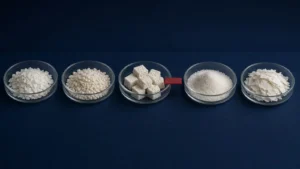
Bone graft materials
How the literature defines the five material categories, the three biological properties used to compare them, and what systematic reviews of ridge preservation found when they compared categories.
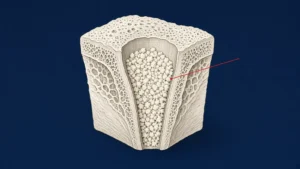
Clinical practice
Ridge preservation reduces post-extraction bone loss in most trials, but the certainty of evidence and the long-term benefit are debated. A summary of the reviews and the consensus timing guidance.
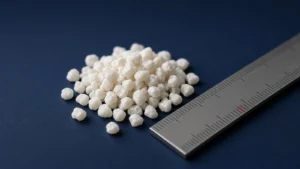
Tooth-derived grafts
Two meta-analyses of autogenous dentin grafts in ridge preservation, how dentin grafts are classified, and why results from a patient's own tooth cannot be read across to a manufactured product.
Clinical practice
The AmGraft IFU recommends at least six months of healing at the augmented site. How that sits beside general ridge-preservation guidance, and what the IFU leaves to the practitioner.

Regulation
Human-tissue grafts in Singapore are notified to HSA as Class 1 CTGTP; in Indonesia every imported device needs an izin edar. What each means, how to check it, and what...
Factual statements carry numbered references, listed in full at the end.
Animal and cell-culture findings are labelled as such and never presented as clinical results.
Where the evidence is thin or does not transfer, the article says so.
Anything said about AmGraft® follows its Instructions for Use (2022-06).